Buyer Success Path
The WHC Team will lead you though the buying process, ensuring that we find options, present the best opportunities, assist with funding where needed, and bring you to the closing table. To get started, we will need some documentation from you and an agreement for us to represent you in the buying process. Below, we detail the steps. If you are ready to officially start, click the green button to begin.
Considerations When Buying
When we prepare you to purchase a business, first we make sure you have access to adequate funds and understand all the risks. Savvy Buyers want to purchase a sustainable "money-making machine," not a 60-hour-a-week job. And if you are looking for a "fixer-upper," we can help you assess options.
We also discuss your business structure, ownership options, and other factors that will allow you to purchase a sustainable business that you can further develop into a thriving, profitable venture.
WHC 10 Steps for Success- Phase 1
Phase 1: Vetting & Qualification
1. Initial Inquiry & NDA Execution When a buyer inquires about a listing, the first step is non-negotiable: you must sign a Non-Disclosure Agreement (NDA). This protects the seller’s confidentiality and establishes a professional relationship between all parties.
2. Buyer Profile & Financial Qualification Before the seller shows any "internal" data, the buyer will complete a Buyer Profile and provide a Proof of Funds (POF). We will help you prepare to answer: Do you have a down payment? Do you have the industry experience to be approved for a loan? The Seller will only move forward with serious Buyers. You must have the liquidity.
3. The CIM Review & Q&A Once vetted, the Seller will release the Confidential Information Memorandum (CIM). We work with you to review the document. And as needed, we meet to answer their high-level questions about the business model, staff, and reason for sale.
WHC 10 Steps for Success- Phase 2
Phase 2: Engagement & Negotiation
4. The "Buyer-Seller" Introduction Meeting If you are interested in the deal, we facilitate a meeting (video or in-person) between the you and the Seller. This conversation stays focused on culture and high-level operations, not minute financial details that are better handled in due diligence.
5. Letter of Intent (LOI) Submission We help you draft or review the LOI. As an advisor, WHC ensures that the price is fair and the structure (cash vs. seller note) is realistic for the industry. If everything meets standard, we present the LOI to the Seller for acceptance or counter-offer.
WHC 10 Steps for Success- Phase 3
Phase 3: Due Diligence & Funding
6. The Due Diligence Kickoff Once the LOI is signed, we open the Virtual Data Room (VDR). We provide you with our Due Diligence Checklist. We manage the flow of information so the Seller isn't overwhelmed with daily requests.
7. Loan Packaging & Submission This is the WHC Lending Advantage. While the buyer is doing due diligence, WHC is simultaneously preparing the "Underwriter-Ready" Loan Package. By handling the lending in-house, we ensure the bank receives a file that is already vetted, significantly speeding up the approval process.
8. Site Visits & Third-Party Audits WHC coordinates any necessary site visits (usually after-hours to maintain employee confidentiality) and third-party inspections. This includes equipment appraisals, environmental assessments, or lease assignments with the landlord.
WHC 10 Steps for Success- Phase 4
Phase 4: Closing the Deal
9. Final Contract & Contingency Removal We transition the deal from the LOI to the formal Asset Purchase Agreement (APA). WHC works with the attorneys to resolve any "last-minute" findings from due diligence. Once the buyer signs off on all contingencies, the deal is officially "cleared to close."
10. The Closing & Transition Meeting At the final meeting, the buyer signs the loan documents and purchase agreement. Funds are wired, and the keys/passwords are handed over. WHC offers Post-Acquisition Integration services to help the buyer implement AI and growth strategies in the first 90 days.
Buyers Often Ask
How long does it take to buy or sell a business? On average, the process takes between 3 to 9 months. The first 60 days are typically focused on preparation and marketing, followed by 90 to 120 days for finding a buyer, and a final 60 to 90 days for due diligence and financing. WHC Lending works to accelerate this by having pre-vetted lenders and buyers ready to move.
Does WHC Lending provide the actual loans? Sometimes. If the buyer agrees, we act as a specialized intermediary and lender partner. We leverage our brand to secure the best possible terms from a network of SBA lenders, private equity groups, and conventional banks. Because we understand the "consulting side" of the business, we can often package your loan application in a way that traditional brokers cannot, leading to higher approval rates.
Top 5 Funding Scenarios
Here are the top 5 funding scenarios for a buyer of a business:
1. The SBA 7(a) "Standard" Stack
This is the most common path for Main Street acquisitions. The Small Business Administration (SBA) doesn't issue the loan but guarantees a portion of it, reducing the risk for the bank.
The Structure: Typically 10% Buyer Down Payment, 75–80% Bank Loan, and 10–15% Seller Note.
The Advantage: It allows for a low down payment and long repayment terms (up to 10 years for business debt).
The Constraint: The business must show enough "Debt Service Coverage" to pay the loan and a reasonable salary to the owner.
2. Full Seller Financing
In this scenario, the seller acts as the bank. The buyer pays a down payment directly to the seller, and the balance is paid over time with interest.
The Structure: Usually 20–50% Down Payment, with the remainder paid over 3–7 years.
The Advantage: This bypasses bank red tape and appraisal requirements. It also signals that the seller is highly confident in the future success of the business.
The Constraint: Sellers rarely want to wait years to get their full payout unless they have a strong relationship with the buyer or the business is difficult to bank.
3. The Earn-Out (Performance-Based Funding)
This is common when there is a gap between the seller’s asking price and the buyer’s valuation, often seen in high-growth or service-based industries.
The Structure: A portion of the purchase price is paid at closing, but a significant "tail" is only paid if the business hits specific revenue or profit targets over the next 12–24 months.
The Advantage: It protects the buyer from overpaying if the business declines after the owner leaves.
The Constraint: It can lead to disputes if the new owner changes operations in a way that the seller claims hindered their ability to hit the targets.
4. Leveraged Buyout (LBO) with Asset-Based Lending
This scenario is utilized for asset-heavy businesses (manufacturing, trucking, or construction) where the business owns significant equipment or real estate.
The Structure: The buyer uses the business's own assets as collateral to secure a loan to buy the company.
The Advantage: It allows a buyer to acquire a much larger company than their personal cash would normally allow.
The Constraint: The business must have a very clean balance sheet with high-value, unencumbered assets for a lender to approve the "Asset-Based" portion.
5. Rollover Equity (Partnership Transition)
Common in the "Lower Middle Market," the buyer (often a Private Equity Group or a larger competitor) asks the seller to "roll over" a portion of their equity into the new company.
The Structure: The buyer pays for 70–80% of the company, and the seller retains 20–30% ownership.
The Advantage: The seller gets "a second bite of the apple" when the buyer eventually grows and sells the company again. It also ensures the seller stays motivated to help with the transition.
The Constraint: The seller no longer has majority control and must trust the buyer’s vision for the company's future.
Testimonials
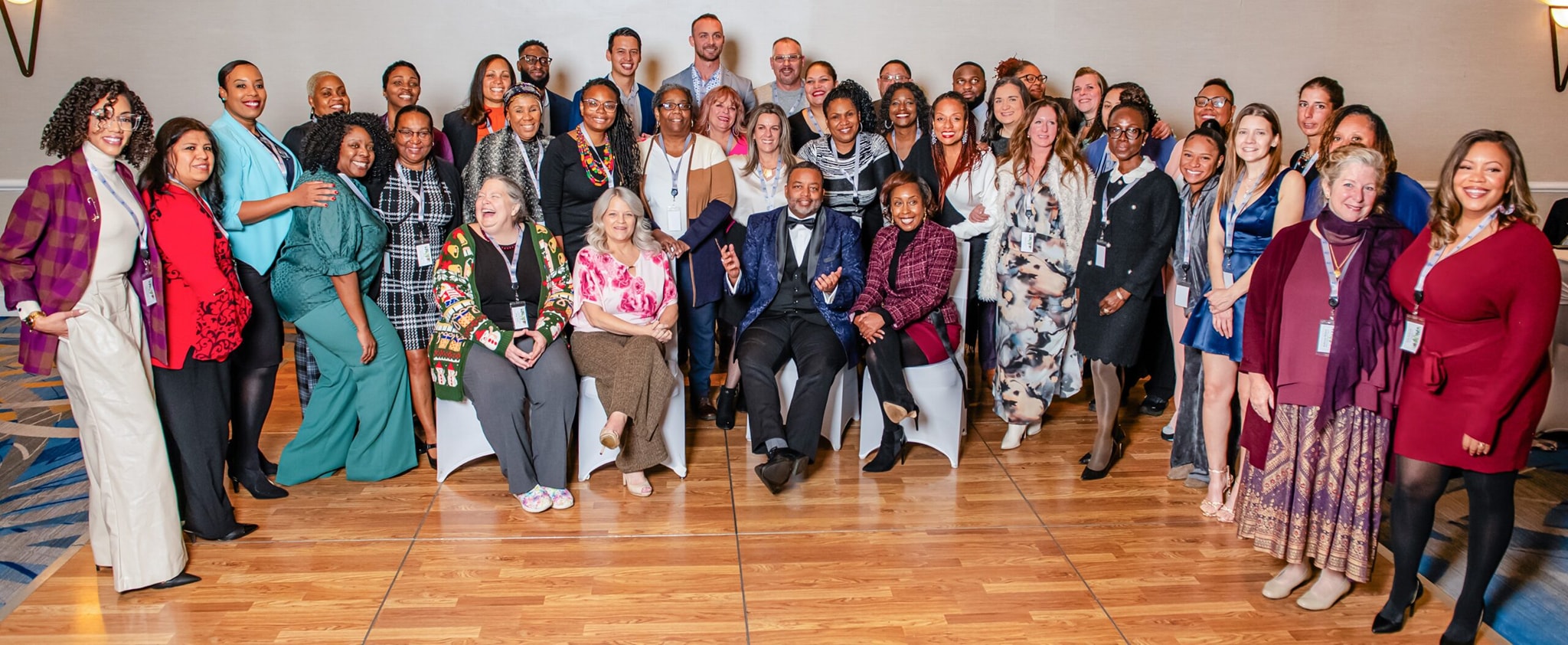
WHC hosts events for business owners to network and discuss deals. At a recent event, Founder Will Holmes asked three clients about their experience with WHC. Turn on the volume, hear about their experiences, and schedule a consultation.

Initial Discovery & Prequalification
Phase 1: Vetting & Qualification
1. Initial Discovery & Prequalification
2. Non-Disclosure Agreement
3. Buyer Profile & Formal Proof of Funds
Access our Business Directory
WHC has assisted in the growth of thousands of businesses in Maryland, preparing them to scale and maximize revenue. These trusted relationships allow for off-market opportunities and safer deals.